Behavioral Trends in Reward-Based Tier Systems Across Worldwide Digital Platforms
Vera Roth · Oct 31, 2026
Behavioral Trends in Reward-Based Tier Systems Across Worldwide Digital Platforms
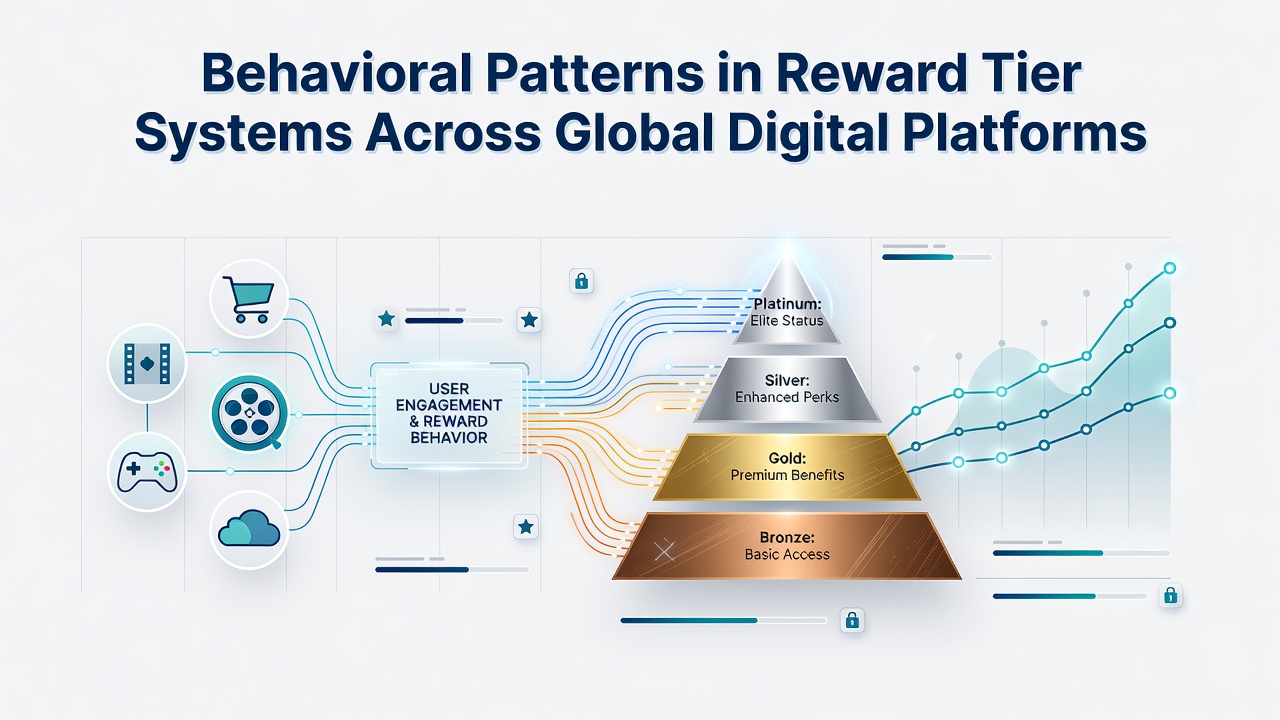
Digital platforms worldwide have expanded tiered reward systems that track user activity and deliver escalating benefits based on accumulated points or spending thresholds, and observers note consistent patterns in how participants advance through these levels. Data from multiple regions indicate that users often accelerate activity when approaching a new tier threshold, while retention rates stabilize once higher status is achieved. Researchers at institutions in North America and Europe have documented similar sequences across e-commerce, streaming services, and subscription applications, where initial enrollment leads to rapid early engagement followed by sustained but moderated participation.
Studies reveal that the structure of these tiers influences deposit or purchase sequences, with many users timing actions to unlock immediate perks rather than spreading activity evenly. In October 2026, updated figures from the Australian Competition and Consumer Commission highlighted a 12 percent increase in tier upgrades among frequent platform users compared to the prior year, linking the shift to clearer progress indicators and personalized notifications. Those who've examined platform analytics across Asia and the Americas find that visual progress bars and milestone reminders correlate with higher completion rates for mid-tier challenges, whereas opaque systems show slower advancement.
Common Progression Sequences Observed in User Data
Analysts tracking global digital services report that users typically begin in entry-level tiers where basic rewards encourage repeat visits, then move into intermediate stages as activity compounds. Evidence from industry reports shows clusters of behavior around bonus thresholds, where participants complete multiple small transactions in quick succession to reach the next reward bracket. This pattern appears across platforms in the European Union and Canada, with government statistical agencies noting parallel trends in consumer spending logs tied to loyalty programs.
What's interesting is how higher-tier users often reduce frequency while increasing per-transaction value, a shift documented in longitudinal studies from research centers in Singapore and Sweden. Observers note that once exclusive benefits activate, such as priority access or custom offers, engagement becomes more selective rather than volume-driven. Platforms that introduced dynamic tier resets in 2025 saw temporary dips in activity right after renewal periods, followed by renewed pushes toward requalification.
Regional Differences in Response Patterns
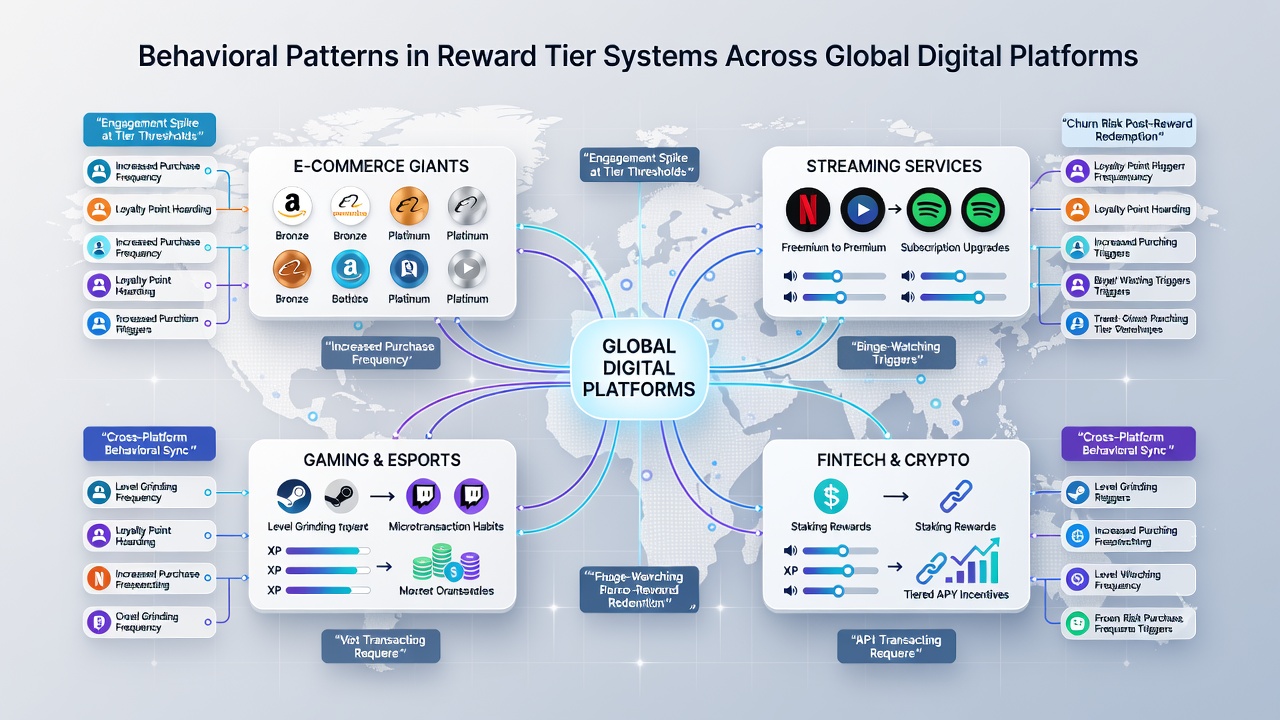
North American data sets emphasize rapid tier climbing among younger demographics, whereas European records show steadier accumulation across broader age groups. A report issued by the Canadian Radio-television and Telecommunications Commission in mid-2026 outlined how subscription services in that market experience pronounced spikes in tier-related activity during seasonal promotions. Meanwhile, platforms operating in Australia and New Zealand demonstrate stronger retention when rewards emphasize experiential benefits over monetary credits.
Turn to Asia-Pacific markets and the patterns shift toward social sharing of tier achievements, with users publicizing status upgrades to encourage network effects. Government agencies in Japan and South Korea have recorded elevated cross-platform migration when tier benefits fail to transfer, prompting developers to introduce portability features. These variations underscore how local regulations and cultural factors shape the same underlying reward mechanics.
Impact of Notification Timing and Personalization
Platform operators who adjust message cadence based on individual progress see measurable differences in tier completion speed. Research from academic groups in the Netherlands and Brazil indicates that weekly summaries outperform daily alerts for sustaining momentum without triggering fatigue. Data collected through 2026 shows that users receiving tailored suggestions aligned with their current tier position complete advancement tasks at higher rates than those receiving generic promotions.
One study released by a consortium of universities in October 2026 tracked several thousand accounts across multiple continents and found that reminder timing near tier deadlines produced the strongest behavioral response, while early-cycle nudges mainly boosted awareness. Those monitoring these systems emphasize that over-notification correlates with temporary disengagement, particularly among users already close to the next threshold.
Conclusion
Global digital platforms continue refining reward tier frameworks based on observed user sequences, with data from regulatory bodies and research institutions guiding adjustments in notification design and benefit structures. Patterns of accelerated activity near thresholds, selective engagement at higher levels, and regional variations in response remain consistent across markets. As systems evolve through 2026 and beyond, ongoing collection of behavioral metrics from diverse geographic sources will inform further refinements to these engagement tools.