Layered Incentives: How Exclusive and Sticky Bonuses Influence Deposit Sequences in Online Gaming Platforms
Xander Müller · Oct 17, 2026
Layered Incentives: How Exclusive and Sticky Bonuses Influence Deposit Sequences in Online Gaming Platforms
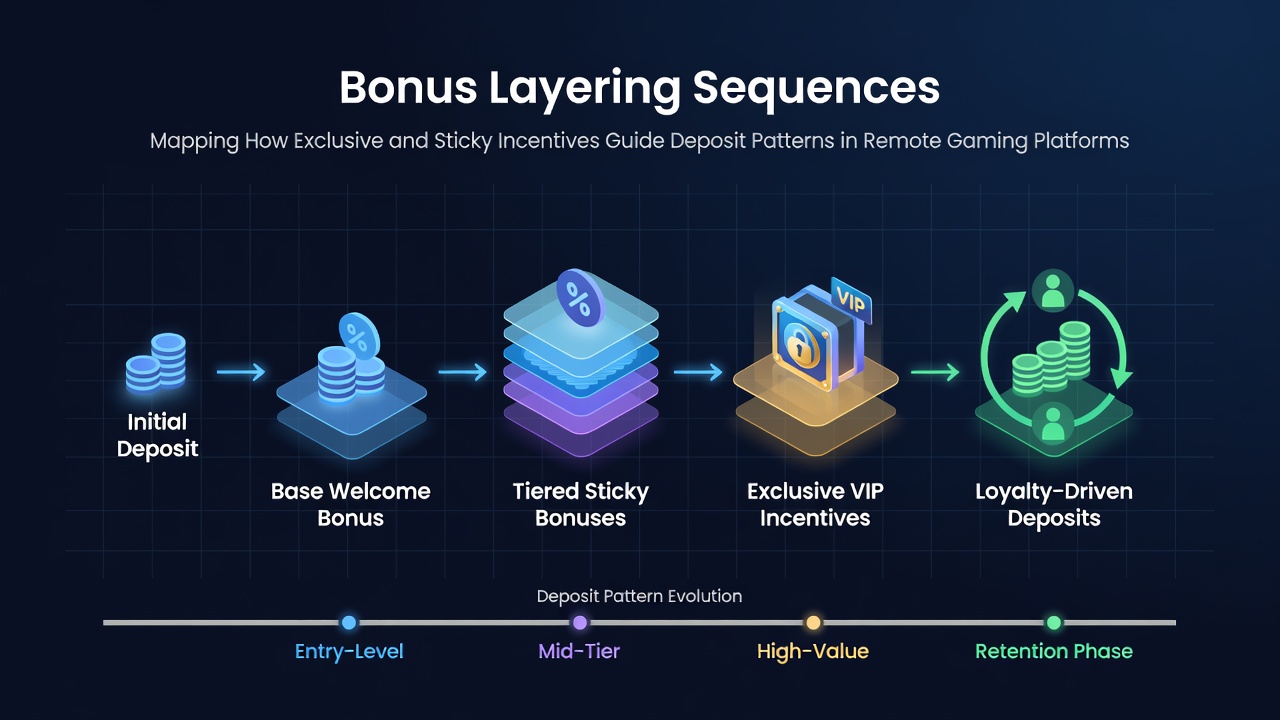
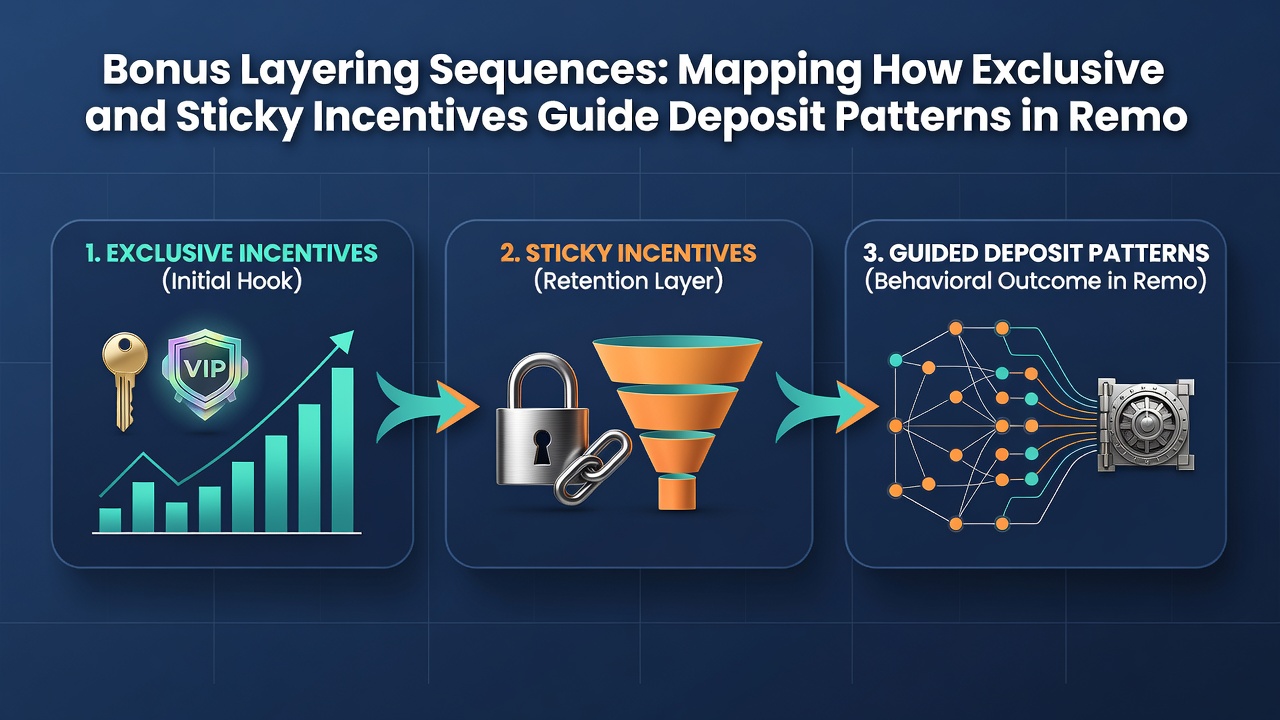
Remote gaming platforms have developed intricate bonus layering sequences that combine exclusive offers with sticky incentives, and these structures shape how players make deposits over time. Exclusive bonuses often appear as personalized rewards tied to specific accounts, whereas sticky incentives carry wagering requirements that keep funds locked within the platform for extended periods. Observers note that such combinations encourage repeated deposits because players must meet conditions before accessing winnings, which in turn sustains activity levels across multiple sessions.
Mechanics of Bonus Layering
Platforms typically sequence bonuses in stages, starting with an initial deposit match that unlocks further tiers once certain play volumes are reached. A second layer might introduce reload offers available only after the first deposit clears, and these reloads frequently include time-limited exclusivity that applies solely to players who have already engaged with the initial offer. Researchers have tracked how sticky elements, such as non-withdrawable bonus funds, direct deposit timing because players return to add funds before promotional windows close.
Data from industry reports indicate that players encountering multi-stage incentives deposit more frequently within the first thirty days of account activity. One study revealed that those who receive sequenced offers maintain deposit intervals averaging seven days shorter than players limited to single-bonus structures. And because sticky components prevent early withdrawal, platforms observe sustained balances that prompt additional deposits to maintain play eligibility.
Deposit Pattern Shifts Observed in 2026
Figures compiled through October 2026 show noticeable adjustments in deposit behavior across several markets. Platforms that introduced exclusive loyalty sequences recorded higher average deposit counts per active account compared with prior periods. Those who've studied these patterns point to reload incentives that activate only after prior deposits reach predefined thresholds, adn the result appears in clustered deposit dates rather than evenly spaced activity.
European Gaming and Betting Association analysis from earlier that year highlighted similar trends in markets outside the UK, where sticky bonus designs correlated with increased mid-month deposit spikes. Players often timed deposits to coincide with the release of new exclusive layers, creating predictable peaks that platforms could forecast and staff accordingly.
Regional Variations and Regulatory Context
Different jurisdictions apply distinct rules to incentive structures, and these rules affect how layering sequences operate. In New Jersey, the Division of Gaming Enforcement requires clear disclosure of wagering terms attached to sticky offers, which influences how platforms present their sequences to local players. Meanwhile, data collected by the Australian Communications and Media Authority demonstrates that players in regulated markets respond to exclusivity cues by concentrating deposits around promotional announcement dates.
Take one analysis from a Canadian research institution that examined account-level data across multiple operators. The review found that when exclusive bonuses stacked with sticky reloads, deposit amounts per transaction rose modestly while frequency increased more substantially. Observers note that this pattern holds because players add smaller, repeated sums to unlock the next layer rather than committing larger single deposits upfront.
Player Response Mechanisms
Those who track player behavior describe how sticky incentives create a feedback loop where deposits become necessary to preserve progress toward bonus release. Exclusive layers add urgency because availability windows narrow quickly, prompting quicker returns to the platform. Research indicates that accounts receiving both types of incentives together show deposit consistency rates approximately twenty percent higher than accounts limited to standard match bonuses alone.
Platforms adjust sequence timing based on these responses. Some introduce mid-week exclusive drops that activate only for players who deposited within the prior seven days, and this timing refines deposit clustering even further. The ball stays in the operator's court when designing these flows, yet player actions ultimately determine which sequences gain traction.
Conclusion
Bonus layering sequences continue to evolve as platforms refine how exclusive and sticky incentives interact with deposit decisions. Evidence from multiple regions shows consistent shifts in deposit timing and frequency when these structures are applied together. Regulatory frameworks in various jurisdictions shape the presentation of such offers, while player data reveals measurable responses to sequenced rewards. As remote gaming expands, the mapping of these incentive effects remains central to understanding deposit patterns across platforms.